


 ไทย
ไทย

In today’s digital era, a website serves as the front door of a business and a powerful representation of a brand. Therefore, effective website design is not only about visual appeal, but also about functionality, usability, and performance. A well-designed website enhances user satisfaction, improves search visibility, and increases business opportunities.
An effective website design should consist of the following key elements:
1. UX (User Experience)
User Experience (UX) refers to how users feel when interacting with a website, including ease of use, accessibility, and overall satisfaction while navigating the site.
Why UX is important
- Helps users find information quickly and easily
- Reduces bounce rates and user frustration
- Encourages users to stay longer and take desired actions such as signing up or making a purchase
A website with strong UX feels intuitive and effortless, making users more likely to return.
- UI (User Interface)
User Interface (UI) focuses on the visual and interactive elements of a website, such as layout, colors, typography, buttons, and icons.
Why UI is important
- Creates a strong first impression and brand identity
- Builds credibility and professionalism
- Supports UX by guiding users naturally through the website
Good UI design balances aesthetics and functionality, ensuring the website is visually appealing without overwhelming users.
- SEO (Search Engine Optimization)
SEO involves structuring and optimizing a website to be easily understood by search engines like Google, helping the site rank higher in search results.
Why SEO is important
- Increases organic traffic without relying solely on paid advertising
- Improves website visibility and discoverability
- Attracts relevant audiences who are actively searching for your products or services
SEO-friendly design includes proper page structure, headings, clean URLs, and high-quality, relevant content.
- Responsive Design
Responsive design ensures that a website displays correctly across all devices, including desktops, tablets, and smartphones.
Why responsive design is important
- Provides a consistent user experience on any screen size
- Accommodates the growing number of mobile users
- Improves SEO, as search engines prioritize mobile-friendly websites
A non-responsive website can frustrate users and lead to lost traffic and opportunities.
- Loading Time
Loading time refers to how quickly a website’s content appears on the screen. Speed is a critical factor in both user satisfaction and search rankings.
Why loading time is important
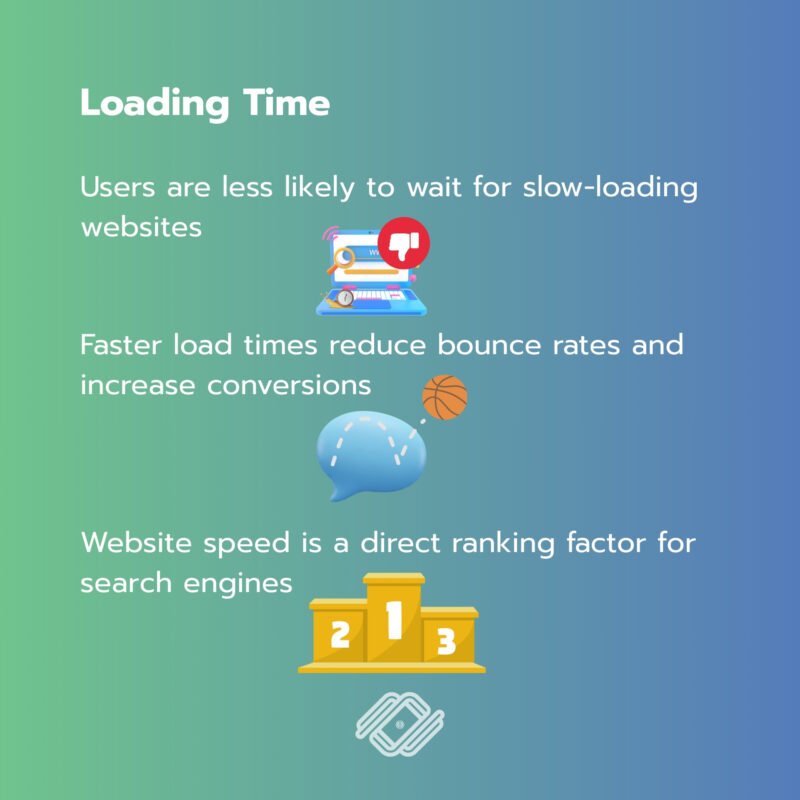
- Users are less likely to wait for slow-loading websites
- Faster load times reduce bounce rates and increase conversions
- Website speed is a direct ranking factor for search engines
Optimizing images, using efficient code, and choosing reliable hosting can significantly improve loading speed.
Conclusion
The best website design is achieved by integrating UX, UI, SEO, Responsive Design, and Loading Time into a cohesive strategy. When a website is easy to use, visually appealing, search-engine friendly, adaptable to all devices, and fast to load, it creates a positive user experience and long-term success for both the brand and the business.
Source: nerdoptimize.com, primal.co.th, nerdoptimize.com
If you want your business to reach online customers and achieve sustainable marketing results, we are happy to provide consultation on what you need.
For further inquiries, contact us at: Tel. 093 696 4498 Line OA: https://lin.ee/po8XduU E-mail: mongkontep@pkindev.com
Inverz Solutions Co., Ltd. has received numerous awards for its achievements