


 ไทย
ไทย
In today’s digital-driven world, almost every business relies on technology—whether it’s a website, application, accounting software, sales system, or internal management platform. Understanding basic system terminology is no longer just the responsibility of IT teams; it has become essential knowledge for business owners and executives. Here are six key system terms every business leader should understand, along with their meaning and strategic importance.
- API (Application Programming Interface)
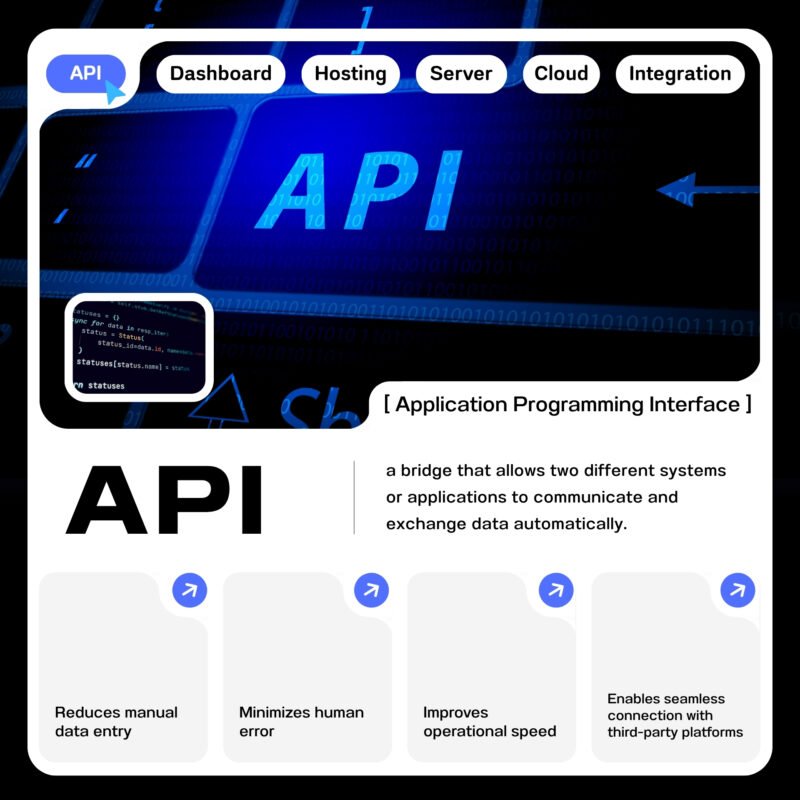
An API is a bridge that allows two different systems or applications to communicate and exchange data automatically.
For example:
- An e-commerce website connecting to a payment gateway
- A mobile app integrating with Google Maps
- An online store linking with a logistics provider
All of these connections operate through APIs.
Why It Matters for Business
- Reduces manual data entry
- Minimizes human error
- Improves operational speed
- Enables seamless connection with third-party platforms
Businesses that understand APIs can scale more efficiently and expand their digital ecosystem with flexibility.
- Dashboard
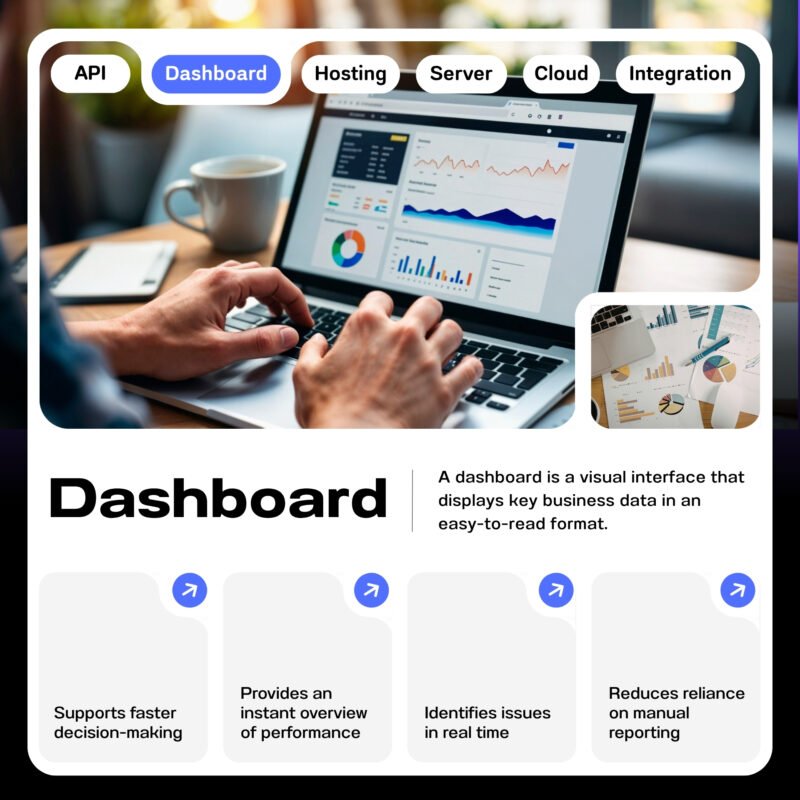
A dashboard is a visual interface that displays key business data in an easy-to-read format, such as charts, graphs, and real-time metrics.
Common dashboard insights include:
- Daily sales performance
- Customer acquisition numbers
- Inventory levels
- Financial reports
Why It Matters for Business
- Supports faster decision-making
- Provides an instant overview of performance
- Identifies issues in real time
- Reduces reliance on manual reporting
A well-designed dashboard empowers leadership with actionable insights at a glance.
- Hosting
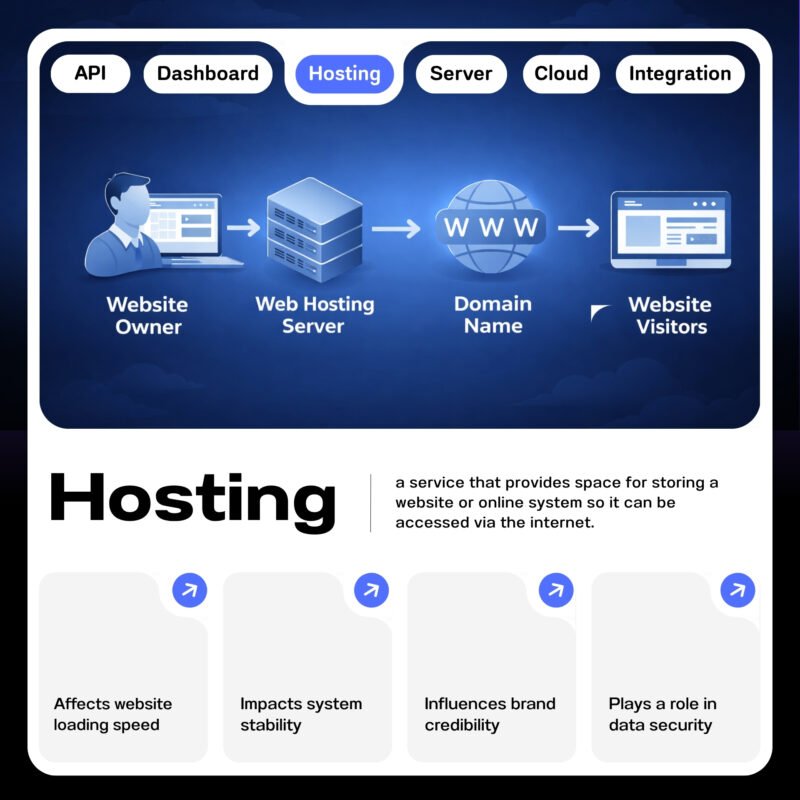
Hosting is a service that provides space for storing a website or online system so it can be accessed via the internet.
Simply put:
If your website is a “store,” hosting is the “location” where that store is set up.
Why It Matters for Business
- Affects website loading speed
- Impacts system stability
- Influences brand credibility
- Plays a role in data security
Choosing the right hosting service ensures better performance, reliability, and customer experience.
- Server
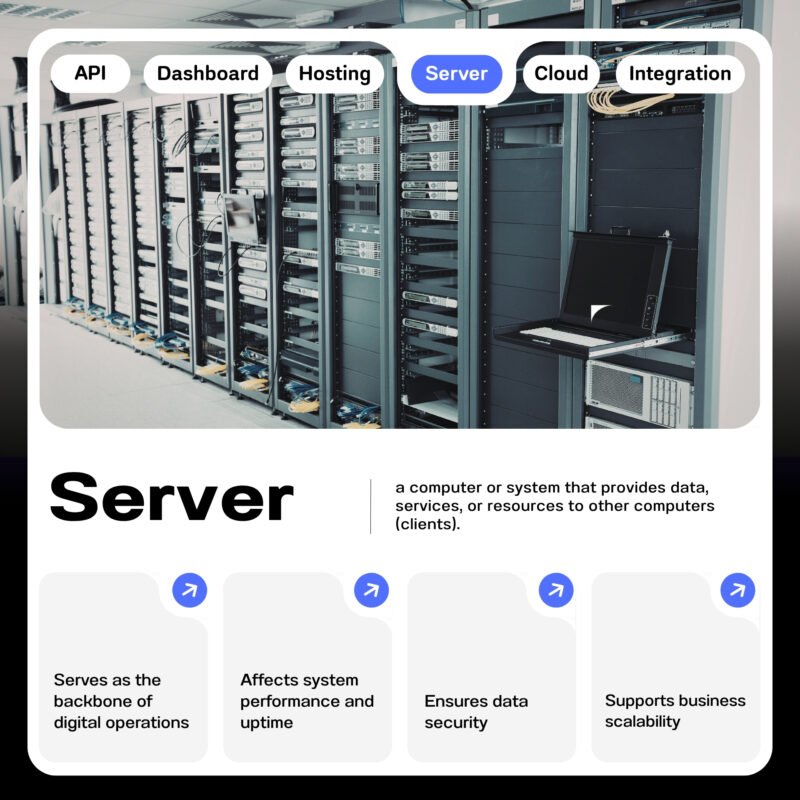
A server is a computer or system that provides data, services, or resources to other computers (clients).
Examples include:
- Web servers (host websites)
- File servers (store company documents)
- Database servers (manage structured data)
Why It Matters for Business
- Serves as the backbone of digital operations
- Affects system performance and uptime
- Ensures data security
- Supports business scalability
If a server fails, operations can come to a complete halt. Stability and reliability are critical.
- Cloud
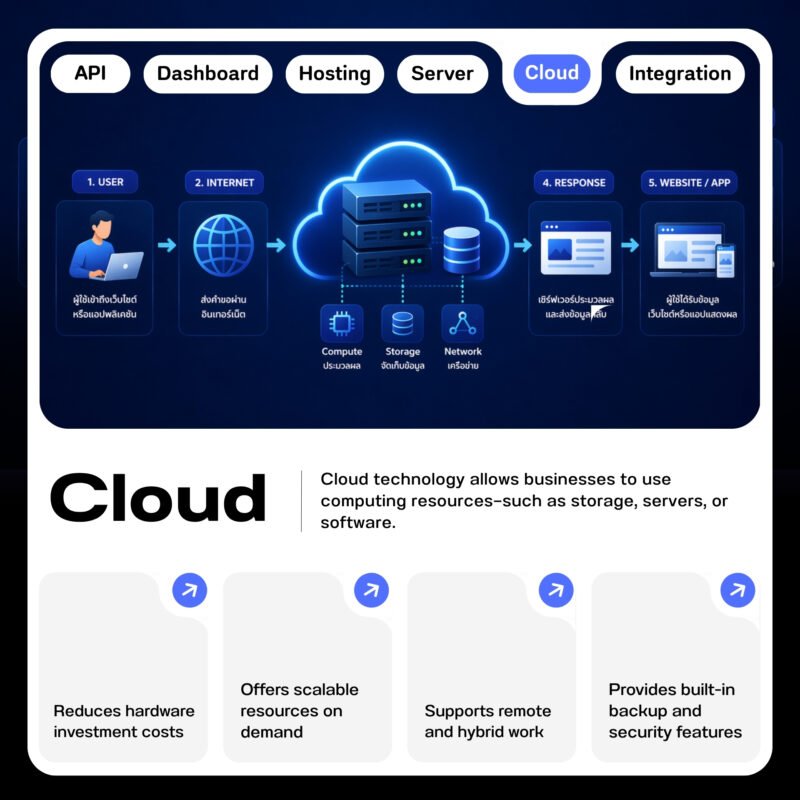
Cloud technology allows businesses to use computing resources—such as storage, servers, or software—over the internet without owning physical infrastructure onsite.
Examples of cloud services include:
- Google Drive
- Microsoft Azure
- Amazon Web Services (AWS)
Why It Matters for Business
- Reduces hardware investment costs
- Offers scalable resources on demand
- Supports remote and hybrid work
- Provides built-in backup and security features
Cloud solutions give businesses flexibility, agility, and room to grow.
6. Integration
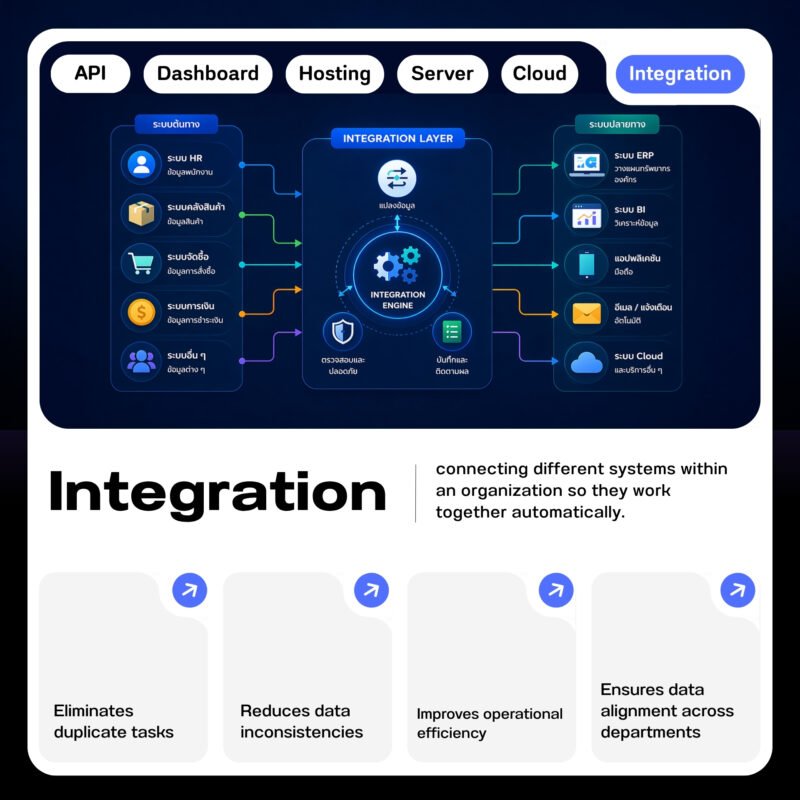
Integration refers to connecting different systems within an organization so they work together automatically.
For example:
- Sales systems connected to accounting software
- Inventory systems linked with procurement
- HR platforms integrated with payroll systems
Why It Matters for Business
- Eliminates duplicate tasks
- Reduces data inconsistencies
- Improves operational efficiency
- Ensures data alignment across departments
Businesses with strong system integration operate more smoothly and scale more sustainably.
Conclusion: Why Business Owners Must Understand These Terms
You don’t need to be a software engineer to run a successful business—but understanding core system concepts empowers you to:
- Communicate effectively with IT teams
- Make informed technology investments
- Choose the right digital solutions
- Mitigate data and operational risks
In the digital era, system literacy is leadership literacy.
If you want your business to reach online customers and achieve sustainable marketing results, we are happy to provide consultation on what you need.
For further inquiries, contact us at: Tel. 093 696 4498 Line OA: https://lin.ee/po8XduU E-mail: mongkontep@pkindev.com
Inverz Solutions Co., Ltd. has received numerous awards for its achievements