


 ไทย
ไทย
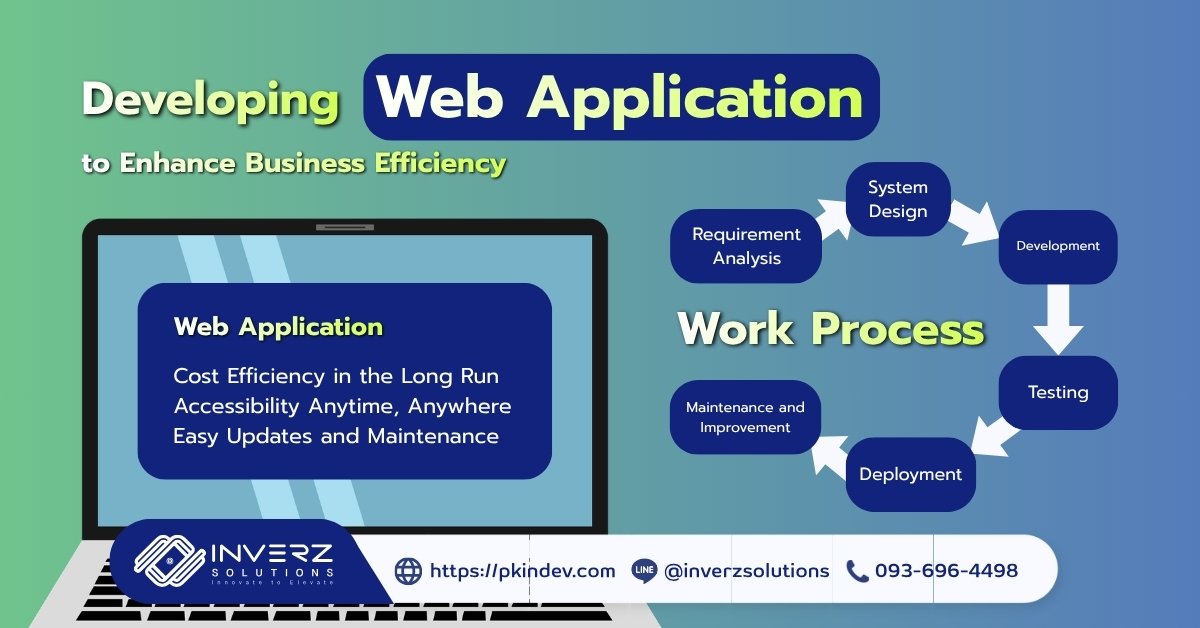
What is a Web Application and Why It Matters
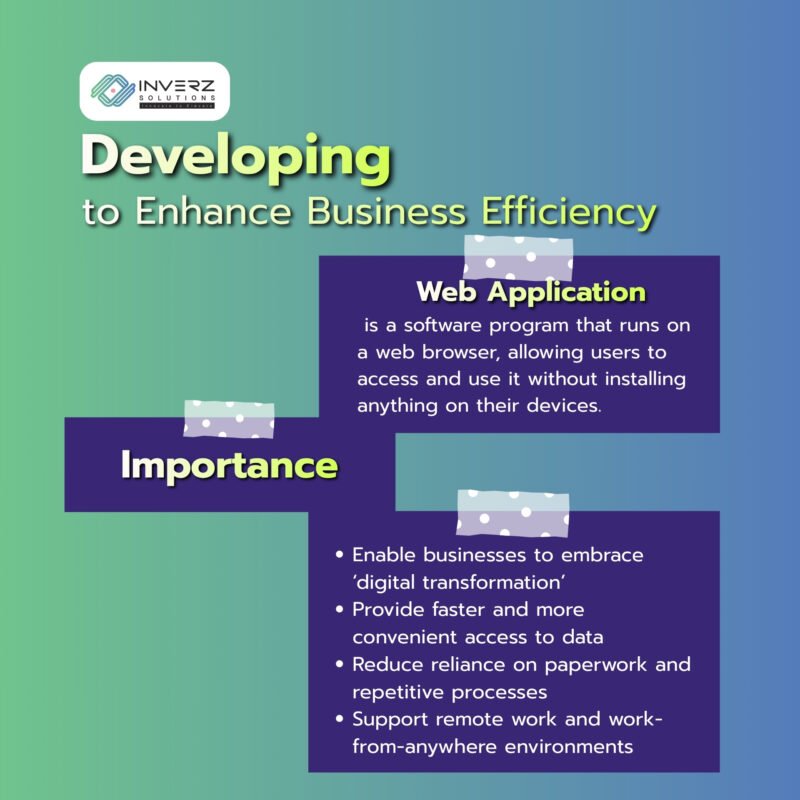
A ‘Web Application (Web App)’ is a software program that runs on a web browser, allowing users to access and use it without installing anything on their devices. Examples include customer relationship management (CRM) systems, online accounting platforms, and inventory management systems.
Web Apps operate over the internet and are accessible across multiple devices such as desktops, tablets, and smartphones. This flexibility makes them highly practical for modern business environments.
Importance of Web Applications
- Enable businesses to embrace ‘digital transformation’
- Provide faster and more convenient access to data
- Reduce reliance on paperwork and repetitive processes
- Support remote work and work-from-anywhere environments
In today’s competitive landscape, having a well-designed Web App can significantly improve operational efficiency and decision-making.
Benefits of Web Applications for Small Businesses
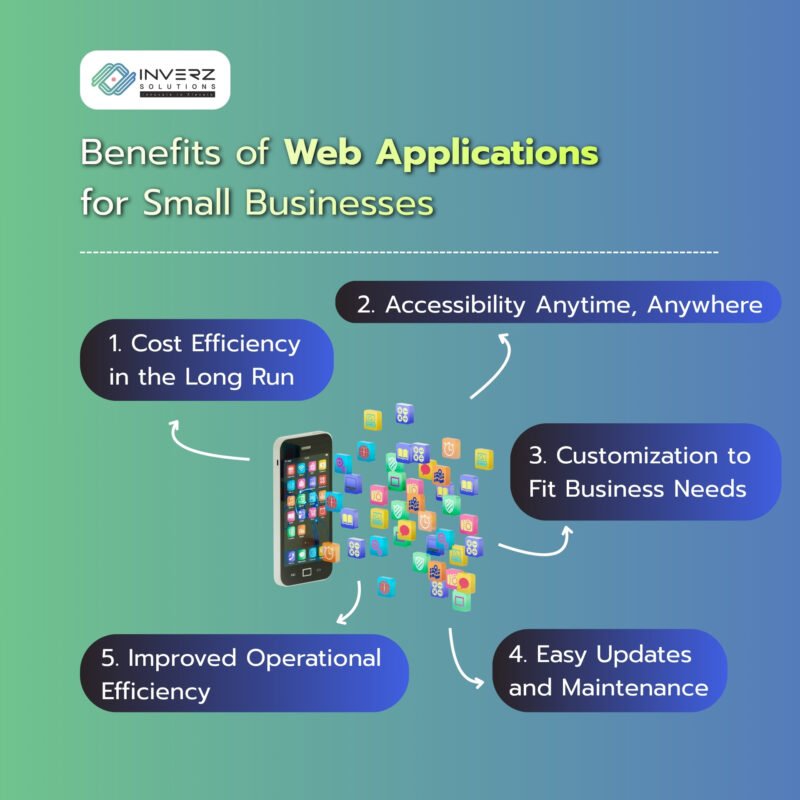
Web Applications offer several advantages, especially for small and medium-sized enterprises (SMEs) looking to scale efficiently.
- Cost Efficiency in the Long Run: Web Apps eliminate the need to build separate applications for different platforms (e.g., iOS and Android), reducing both development and maintenance costs.
- Accessibility Anytime, Anywhere: Employees can access the system from any location with an internet connection, improving flexibility and productivity.
- Customization to Fit Business Needs: Web Apps can be tailored to match specific workflows, such as order management, customer tracking, or reporting systems.
- Easy Updates and Maintenance: Updates are deployed on the server, allowing all users to access the latest version instantly without manual installation.
- Improved Operational Efficiency: Automation reduces repetitive tasks and minimizes human errors, leading to faster and more accurate business operations.
Steps in Developing a Web Application
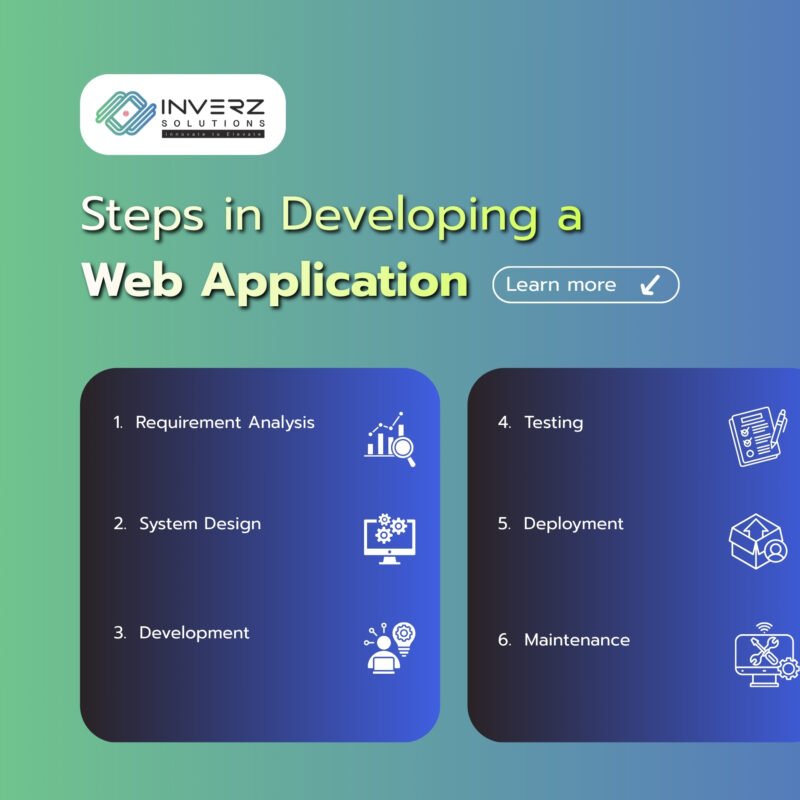
To build an effective Web Application, a structured development process is essential.
- Requirement Analysis
- Identify business problems and needs
- Define key features and functionalities
- Establish project scope
- System Design
- Design system architecture
- Create intuitive UX/UI
- Plan database structure
- Development
- Build frontend (user interface) and backend (server-side logic)
- Choose appropriate technologies such as React, Vue, Node.js, or Laravel
- Develop features based on the design specifications
- Testing
- Verify system functionality
- Conduct user testing
- Fix bugs and optimize performance
- Deployment
- Launch the application on a server or cloud platform
- Make it accessible to users
- Monitor system stability
- Maintenance and Improvement
- Update features based on evolving business needs
- Fix issues and enhance performance
- Scale the system as the business grows
Conclusion
Web Applications are powerful tools that help businesses operate more efficiently, especially for small businesses seeking to reduce costs, increase flexibility, and stay competitive in the digital age.
Successful Web App development goes beyond technology—it requires a deep understanding of business processes and delivering solutions that truly meet user needs.
Source: sennalabs.com
If you want your business to reach online customers and achieve sustainable marketing results, we are happy to provide consultation on what you need.
For further inquiries, contact us at: Tel. 093 696 4498 Line OA: https://lin.ee/po8XduU E-mail: mongkontep@pkindev.com
Inverz Solutions Co., Ltd. has received numerous awards for its achievements